
School and K-12 Educational Building Roofing in Kansas City, MO
Commercial roofing for public and private schools, K-12 campuses, and educational facilities throughout Kansas City, MO.
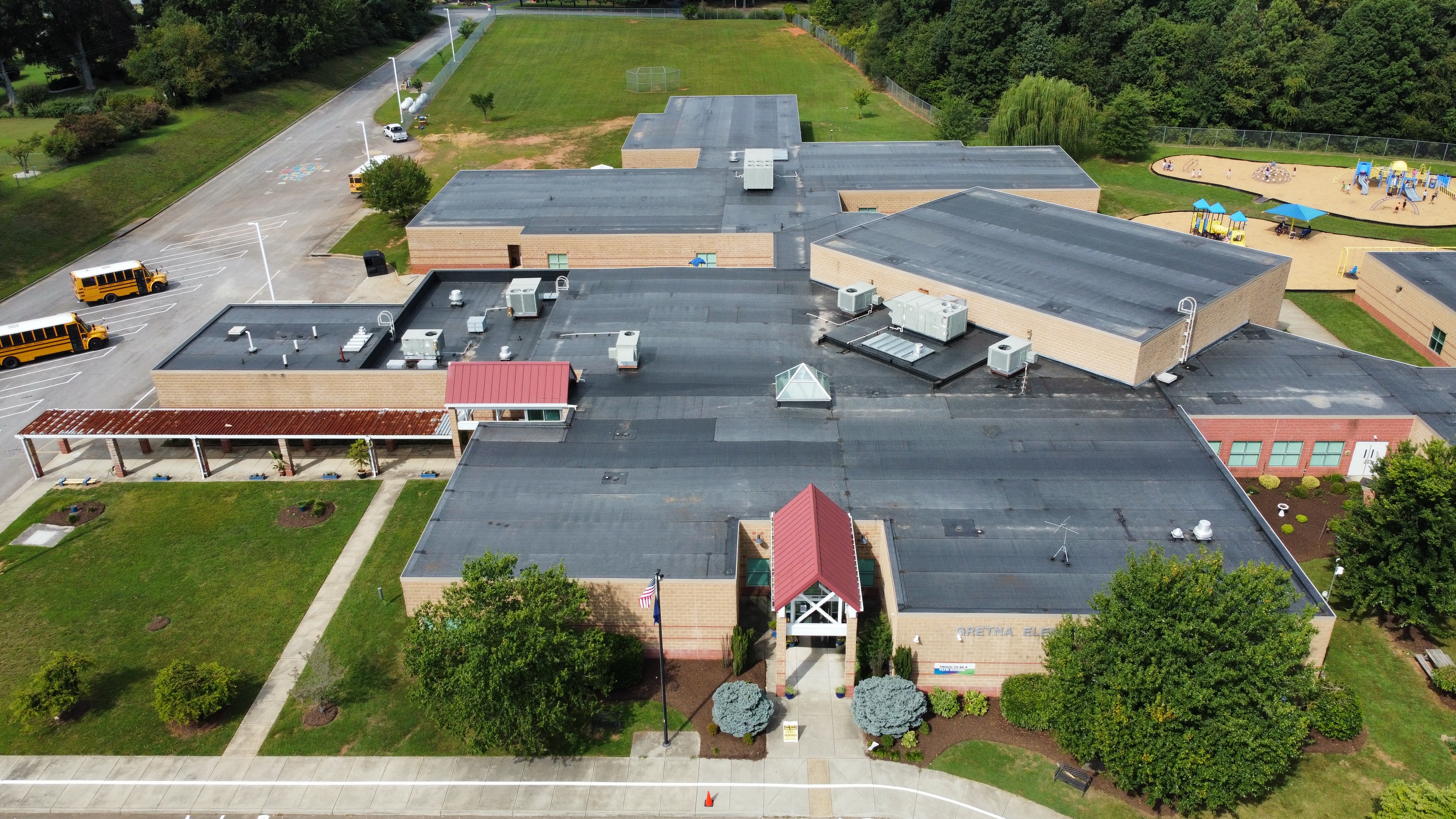
Kansas City Public Schools, serving approximately 14,000 students across Missouri's largest urban school district, operates a building inventory that includes some of the most architecturally significant public school buildings in the Midwest alongside modern facilities built during recent bond-funded construction programs. The district's campuses span a city that straddles the Kansas-Missouri border, and its facilities needs reflect decades of deferred maintenance alongside recent reinvestment through community-approved bond measures. Commercial roofing contractors who serve KCPS navigate Missouri's public procurement requirements, prevailing wage compliance, a demanding severe weather environment, and academic calendar constraints that make summer the critical window for major roofing work.
Summer scheduling governs school roofing work in Kansas City with particular urgency given the district's renovation ambitions and the finite summer construction window. Missouri's academic calendar typically provides 10 to 12 weeks between mid-June and mid-August for major school construction. Kansas City adds severe weather complexity: June and July are peak months for the severe thunderstorms and tornado outbreaks that characterize the heart of Tornado Alley. Contractors must balance the urgency of completing work within the summer window against the real risk of severe weather interrupting open tear-off phases. Written storm preparedness protocols, adequate tarping material on each job site, and real-time severe weather monitoring are professional practice requirements for summer school roofing in the Kansas City market.
Missouri's Prevailing Wage Law applies to public school construction contracts in Kansas City, requiring payment of Jackson County prevailing wage rates for roofing and related trades on covered projects. KCPS's contracts require certified payroll submissions with each monthly progress application, and the district's construction manager may audit payroll records at any time. Missouri's prevailing wage rates for Kansas City roofing trades reflect the area's union scale, and contractors who operate with a non-union workforce must ensure their wage payments and benefit contributions equal or exceed the prevailing rate to avoid violations and the associated penalties.
Kansas City Public Schools' capital improvement program has benefited from a series of community-approved bond measures that have funded significant facilities investments over recent years. The district publishes a multi-year capital improvement plan that identifies schools scheduled for major roofing and building envelope work. Contractors who track this plan — available through KCPS's public planning documents and school board meeting materials — can anticipate the pipeline of opportunities and prepare relationship-building outreach to the district's facilities team in advance of formal solicitations. The district has a preference for contractors who demonstrate knowledge of its building stock and a track record of reliable summer performance.
Kansas City's position in Tornado Alley is the defining environmental factor for school roofing specifications in this market. Hail-producing severe thunderstorms are an annual reality, and school buildings — as Risk Category III structures — must be designed to higher wind standards than ordinary commercial buildings. Specifying Class 4 impact-resistant roofing membranes for KCPS schools is a defensible recommendation given the hail exposure, and many Kansas City commercial property insurers offer premium credits for Class 4 roofs that partially offset the material cost premium. Including this insurance savings analysis in your proposal to the district demonstrates value-oriented thinking that resonates with a facilities team managing a large capital budget.
Institutional roofing specifications for Kansas City Public Schools must address the full range of climate challenges: summer heat loading, hail impact resistance, wind uplift in severe weather, and freeze-thaw performance in the winter season. Single-ply TPO or PVC membranes with Class 4 hail resistance, mechanically attached to metal deck over tapered polyisocyanurate insulation, represent the most common high-performance specification for flat-roof KCPS schools. The specification should include robust penetration flashings designed for the maintenance realities of a school environment, walkway pad systems in all service routes, and edge metal sized and fastened for the wind uplift forces in perimeter and corner zones.
Asbestos management is a required preconstruction step for any KCPS building constructed before 1985, and many of the district's older urban school buildings fall into this category. Missouri OSHA and federal OSHA 1926.1101 both govern asbestos in construction work. KCPS maintains AHERA inspection records for all school buildings that contractors should review before preparing bid proposals. Buildings with significant asbestos content in the roofing system require abatement before demolition can proceed, and this scope must be budgeted accurately. An environmental consultant can help quantify the asbestos scope from AHERA records before bidding, reducing the risk of unbudgeted abatement costs disrupting the project budget.
The City of Kansas City's building permit process governs school construction projects within city limits, and Midwestern jurisdictional requirements apply to projects in the Kansas City metro area across the Missouri-Kansas border. Contractors who work regularly in both states maintain current licenses in both jurisdictions and are familiar with the specific permit requirements of the multiple municipalities in the Kansas City metro. School projects near the state line may require consultation with both Missouri and Kansas regulatory authorities to confirm jurisdiction and applicable requirements.
Post-project maintenance programs are an important component of KCPS's facilities asset management strategy. The district's facilities team tracks the maintenance history of each building's roofing system and uses this history to forecast future capital needs for bond planning purposes. Contractors who provide structured maintenance programs — semi-annual inspections, hail event damage assessments, drain cleaning, and documented repair records — help the district maintain accurate capital planning data and protect the warranty coverage that depends on documented maintenance compliance. Building these long-term service relationships is the most sustainable business model for commercial roofing contractors in the Kansas City school market.
- What Missouri prevailing wage requirements apply to KCPS roofing projects?
- Missouri's Prevailing Wage Law requires payment of Jackson County prevailing wage rates for roofing trades on public school construction contracts. Current wage determinations are published by the Missouri Department of Labor. Certified payroll records must be submitted with each progress billing and maintained for three years after project completion. Violations are subject to back-wage payments, penalties, and potential debarment from future Missouri public work.
- How do we manage hail damage risk on a Kansas City school roofing project?
- Specify Class 4 impact-resistant membranes for new installations, confirmed by UL 2218 testing documentation. After any significant hail event during or after construction, inspect the membrane for impact damage before proceeding with installation or before closing out the project. Document hail events with weather reports and photographs. Provide the district with an insurance savings analysis for Class 4 systems to support the specification.
- How do we handle the summer construction window given Kansas City's storm season?
- Begin mobilization the first week after school ends in June. Monitor weather daily using a professional severe weather service. Stage adequate tarping materials on each job site from day one. Implement your storm preparedness protocol when a severe thunderstorm or tornado watch is issued for your project area. Communicate weather-related delays promptly to the KCPS project manager. Build two to three days of weather float into your construction schedule.
- What asbestos procedures are required for older KCPS buildings?
- Review KCPS's AHERA records for the specific building before bidding. An accredited Missouri asbestos inspector must survey and sample existing roofing materials before demolition. Regulated materials must be removed by a Missouri-licensed asbestos contractor under an approved abatement plan. KCPS's environmental health staff can provide guidance on the district's standard abatement procedures and can help coordinate access for the pre-bid inspection.
- Does our Kansas City school roofing work require a contractor license in both Missouri and Kansas?
- It depends on the project location. Buildings on the Missouri side require a Missouri contractor registration. Buildings on the Kansas side require a Kansas contractor license. If your firm works in both states, maintain current credentials in both. The Kansas City metro area has multiple municipalities on both sides with their own permit requirements, so confirm the applicable jurisdiction with the district before preparing your bid.
Ready to talk through a roof?
Tell us about the building and the roof problem. We'll document it and put a plan in writing — with an honest repair-vs-replace recommendation and no upsell pressure.
Get a Roof Assessment →