
Multifamily and Apartment Building Roofing in Kansas City, MO
Roofing for apartment complexes, multifamily housing, and HOA-managed communities throughout Kansas City, MO.
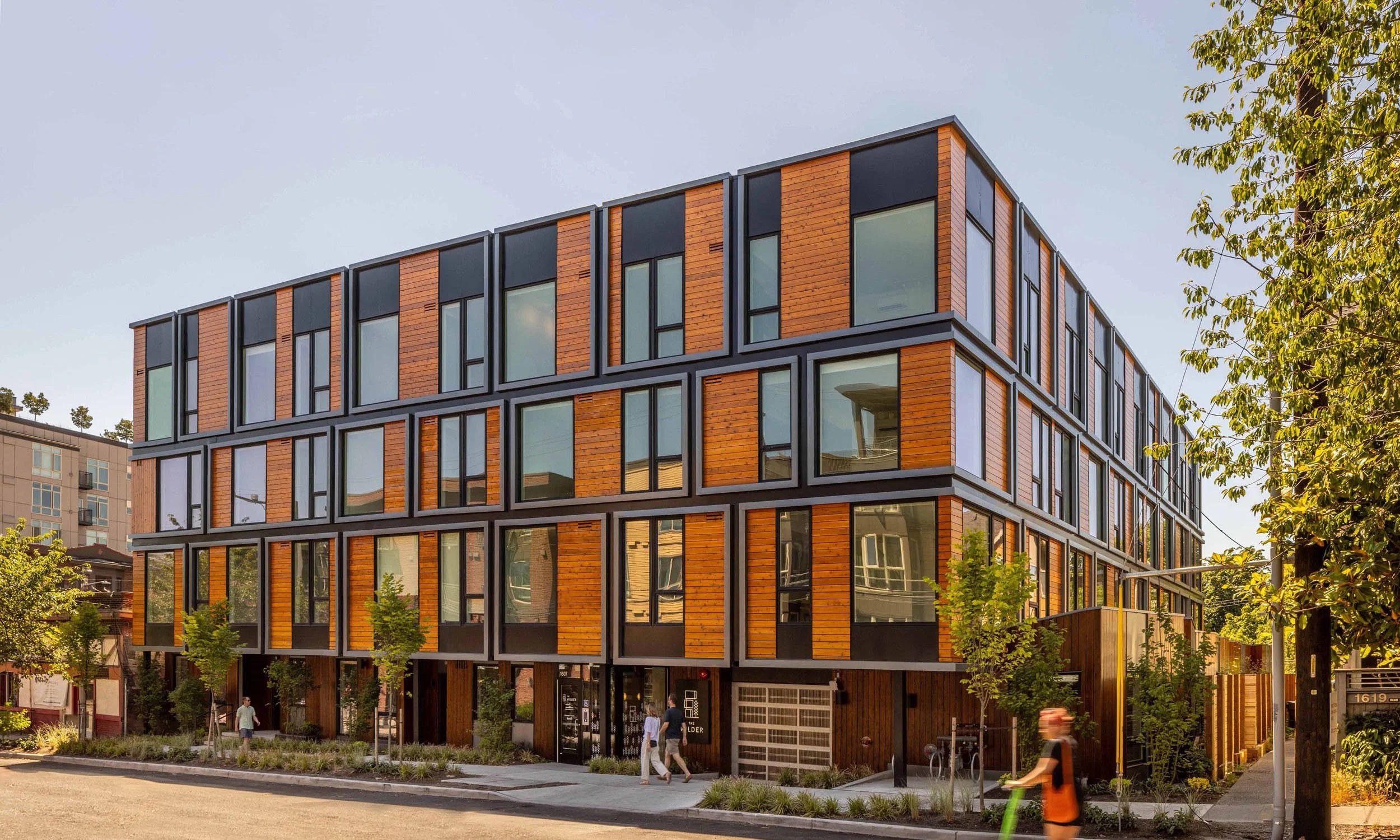
Kansas City's multifamily housing inventory is a study in contrasts — the renovated warehouse lofts and new-construction apartments that have transformed the Crossroads Arts District and River Market neighborhood sit alongside aging garden-style complexes from the 1970s spread across Independence, Raytown, and the South KC neighborhoods that provide the bulk of the metro's workforce-housing supply. For property investors and managers working across this spectrum, roofing challenges differ significantly: a converted industrial loft building in the West Bottoms has structural concrete and built-up roof assemblies that require a different diagnostic and replacement approach than a garden apartment in Lee's Summit with wood-framed trusses and modified bitumen.
Missouri's climate places Kansas City squarely in the zone of maximum roofing stress. The city experiences hot, humid summers, genuine winters with ice accumulation and snowpack, severe spring thunderstorms with hail events that rival those of the southern Plains, and freeze-thaw cycling in the shoulder seasons that is particularly brutal on aging membrane seams. Tornado-force wind events and straight-line derecho winds have damaged multifamily roofs across the metro multiple times in recent years — most notably the storms of 2019 and 2022 that generated significant insurance claims on apartment communities throughout Jackson and Clay counties. Property managers in Kansas City who haven't established an emergency roofing response protocol are managing risk that should already be addressed.
The HOA-managed townhome and condominium market in suburban Kansas City — communities like the clusters in Overland Park, Lenexa, and Olathe on the Kansas side, and Blue Springs and Lee's Summit on the Missouri side — has matured significantly over the past 30 years, and many of those original HOA communities are now on their second or third roofing cycle. Boards in these communities are more sophisticated than their predecessors were, but they still face the same fundamental tension between current reserves and full-replacement cost. Working with a contractor who can provide realistic multi-year phasing proposals, phased payment structures, and accurate reserve-study documentation gives boards the tools to make credible financial decisions rather than kicking replacement decisions down the road until emergency conditions force a crisis response.
Kansas City's real estate investment community has shown increasing appetite for multifamily acquisitions in transitional neighborhoods — areas like the East Side, Troost corridor, and portions of midtown Kansas City, Missouri that are attracting community development capital and benefiting from proximity to Midtown's revitalization. Buyers entering these neighborhoods as value-add investors consistently encounter roofing systems that have been maintained reactively for years by cash-constrained prior owners. Establishing a true replacement cost for those roofs — based on actual site inspection, moisture scanning, and drain-system evaluation — is essential to honest underwriting, and it is work that cannot be done from a desk or with a Google Earth photograph.
Ice dam formation is a roofing failure mode that Kansas City apartment owners on the Kansas side, where building codes align with Kansas requirements, and the Missouri side both need to understand and manage. When warm interior air migrates through attic cavities above sloped-roof apartment structures and melts the base of accumulated snow, the resulting meltwater runs to the cold eave and refreezes — creating an ice dam that forces water back under shingles and into the wall cavity. Addressing ice dam susceptibility requires attic air sealing, proper ventilation balance, and where warranted, ice-and-water shield underlayment at eaves — a combination of solutions that a commercial contractor experienced with multifamily sloped-roof systems can assess and specify correctly.
Commercial membrane systems on Kansas City's flat-roof apartment buildings should be specified with the regional wind uplift environment in mind. ASCE 7 wind design data for the Kansas City area reflects the metro's exposure to severe thunderstorm and tornado-related wind events, and membrane attachment systems that meet those uplift requirements are specified differently than systems installed in calmer wind environments. Fully adhered membrane systems on properly prepared substrates provide stronger uplift resistance than mechanically attached systems in many configurations — a distinction that matters when a derecho with 80-mile-per-hour gusts rolls across Johnson County. Contractors who don't discuss attachment methodology relative to local wind loads are skipping a material specification decision.
Property management companies overseeing Kansas City rental portfolios that span both Missouri and Kansas face the added complexity of operating under two different state contractor licensing regimes and two sets of building codes. A contractor who holds a valid license in Missouri may not be qualified to pull permits in Overland Park or Olathe, and vice versa. Larger regional commercial roofing contractors typically maintain licensing in both states and are familiar with the local plan-review processes in the major municipalities of both Kansas and Missouri — a practical advantage for property management companies that need consistent service across a cross-state portfolio.
Insurance claim management is a core competency for Kansas City apartment roofing given the frequency of hail and wind events in the metro. Property owners who have received a written commercial roof condition report from a qualified contractor before a storm event are dramatically better positioned to document new storm damage accurately, distinguish pre-existing conditions from storm-caused damage, and negotiate appropriately with adjusters who are simultaneously processing hundreds of claims across the metro. That documentation isn't expensive to produce relative to the claim values at stake — a 100-unit apartment complex roof replacement might be a $200,000 to $400,000 insurance event — and the investment in baseline documentation pays for itself in the first claim.
For Kansas City multifamily owners planning major roof replacements, the timing of project execution affects both contractor pricing and material availability. The highest-demand months for commercial roofing contractors in the metro are May through September, when weather windows are reliable and scheduler demand peaks. Owners who commit early — signing contracts in January or February for spring execution — often access better pricing and preferred scheduling position compared to those who begin soliciting bids in April. That lead-time discipline also allows contractors to lock in material pricing against commodity market fluctuations, which have been significant in the roofing supply chain over the past several years.
- How often do hail events in Kansas City actually damage apartment roofing systems?
- The Kansas City metro averages several significant hail events per year, and apartment roofing systems take direct hits more often than owners realize because the damage is not always immediately visible from ground level. Hail as small as one inch can granule-strip aged modified bitumen or shingle systems and create impact bruises in single-ply membranes. Annual post-storm inspections by a commercial contractor are the minimum best practice for multifamily properties in Jackson and Clay counties.
- What is the process for a Kansas City HOA to replace roofing across multiple attached buildings?
- Multi-building reroofing in an HOA community is typically a phased project managed by the board, with contractor coordination and resident communication as central operational tasks. Contracts should specify clear building sequences, weather-contingency plans, and move-in protection protocols for each phase. Reserve funds, special assessment authority, or association financing must be confirmed in the governing documents and applicable state HOA statute before the contract is executed.
- Can a Kansas City apartment building be reroofed during winter months?
- Yes, with limitations. Modified bitumen and some TPO installations require minimum substrate and ambient temperatures for proper adhesion and welding, typically above 40 degrees Fahrenheit, and cold-weather work may require heat equipment and additional labor precautions that increase project cost. Winter reroofing is feasible in Kansas City during mild periods but should be planned carefully and executed by contractors with documented cold-weather commercial experience.
- What does a commercial roofing contractor look for during a multifamily roof inspection in Kansas City?
- A professional inspection evaluates membrane condition, seam integrity, penetration flashing, parapet cap condition, drain and scupper sizing and flow, substrate deflection or ponding areas, and signs of previous repairs. Infrared moisture scanning identifies wet insulation zones that are not visible on the surface. A complete written report with photographs and a recommended action plan is the expected deliverable from a professional assessment.
- How does Kansas City's climate affect the choice between TPO and EPDM for apartment roofing?
- Both TPO and EPDM are widely used in the Kansas City market and both perform reliably when properly installed. TPO's heat-welded seam system and white reflective surface offer advantages in energy efficiency and seam reliability. EPDM's long performance track record and cold-temperature flexibility make it a preferred choice for some contractors in the region. The right choice depends on building geometry, drainage configuration, and the specific contractor's authorized product relationships — both options should be evaluated in a qualified bid process.
Ready to talk through a roof?
Tell us about the building and the roof problem. We'll document it and put a plan in writing — with an honest repair-vs-replace recommendation and no upsell pressure.
Get a Roof Assessment →