
Church and Religious Building Roofing in Kansas City, MO
Commercial roofing for churches, worship centers, and religious facilities throughout Kansas City, MO.
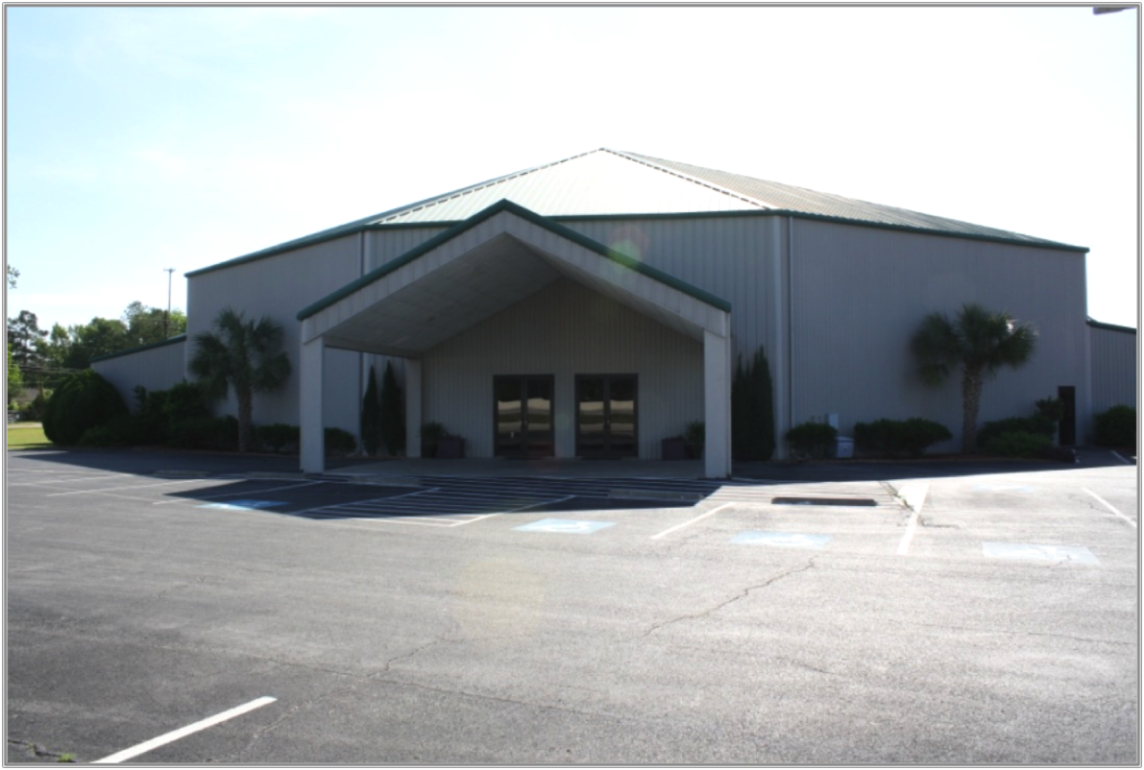
Kansas City's Resurrection United Methodist Church, headquartered in Leawood with satellite campuses throughout the metropolitan area, is one of the largest United Methodist congregations in the United States and a model of large-scale religious facility management. But Kansas City's faith community extends far beyond any single megachurch — the metropolitan area straddles two states and encompasses dozens of established Catholic parishes, large Baptist and evangelical congregations, historic mainline churches in the urban core, and a growing diversity of new faith communities. Commercial roofing contractors who serve this market encounter a wide range of building ages, architectural styles, and institutional complexity.
Kansas City's position in Tornado Alley is the defining environmental fact for church roofing contractors in this market. Severe thunderstorms capable of producing large hail, damaging straight-line winds, and tornadoes are an annual reality throughout the spring and early summer months. Church roofs in Kansas City must be specified with hail resistance as a primary criterion — not just wind uplift. Membrane products with Class 4 impact resistance ratings, confirmed by UL 2218 or FM 4473 testing, provide significantly better performance in hail-producing severe weather than standard-grade membranes. After a major hail event, a Class 4 roof is often the difference between a claim-free inspection and a full insurance replacement.
Clear-span sanctuary construction is the norm for Kansas City's large evangelical and megachurch campuses. Wide, column-free worship spaces that seat thousands require structural roofing systems engineered for the specific deflection and movement characteristics of long-span steel framing. Thermal expansion in Kansas City's climate is substantial — summer roof surface temperatures can exceed 170°F on dark-colored low-slope membranes, while winter temperatures on exposed surfaces can drop below minus 10°F. Roofing systems must accommodate this temperature range without failing, which means proper specification of membrane type, fastener spacing, and expansion joint frequency is essential.
Capital campaigns in Kansas City's large congregations often benefit from the metropolitan area's broad philanthropic culture, supported by a diverse economy that includes healthcare, financial services, technology, and agriculture. Churches with strong programmatic identities and clear facilities visions find receptive audiences among their membership for building fund campaigns. Roofing contractors who provide capital campaign support — preparing accurate budget estimates, presenting before finance committees, and providing update letters as scope or pricing changes — become genuine partners in the congregation's facilities planning rather than transactional vendors.
Scheduling in Kansas City churches must account for the spring and summer storm season, which coincides with the months when outdoor work is most comfortable. A roofing contractor who begins a major tear-off in May must be prepared to secure open areas on short notice when a severe thunderstorm watch is issued. Real-time weather monitoring, rapid tarping protocols, and clear communication with the church facilities team about storm preparation procedures are standard operating practices for experienced Kansas City commercial roofers working through the peak storm season.
Committee decision-making in Kansas City churches reflects the governance traditions of their denominations. Resurrection United Methodist routes significant facilities decisions through a Church Council and Finance Committee. Catholic parishes work through the Diocese of Kansas City-St. Joseph's facilities office. Independent evangelical congregations vary widely, from elder boards that can approve projects in a single meeting to membership-based governance structures that require multiple votes. A contractor who takes time to understand the specific governance structure of the congregation being served avoids the frustration of proposals that stall at the wrong level of authority.
Missouri and Kansas both impose licensing requirements on commercial roofing contractors, and churches should verify that any contractor they engage holds current licenses in the applicable state. The Kansas City metro area's bi-state geography means that church campuses on either side of the state line may face different licensing and code requirements. A contractor with active licenses in both states, and familiarity with the building departments on both sides of the metro, avoids the delays and complications that arise when jurisdictional requirements are not met from the start.
Architectural features on Kansas City's historic religious buildings span the full range of traditional ecclesiastical styles. The Catholic parishes of the urban core feature limestone and terra cotta facades, copper gutters, and in some cases original slate roofs on steep-pitched sanctuary sections. The Gothic and Romanesque Revival buildings of Kansas City's established Protestant congregations present similar challenges. Working on these buildings requires not only technical skill but also familiarity with the architectural conventions of each tradition and a commitment to sourcing materials that honor the building's original character.
Energy efficiency improvements are a meaningful component of church re-roofing projects in Kansas City's mixed-climate environment. Upgrading insulation from aging R-10 or R-15 systems to R-30 or higher reduces both heating and cooling energy consumption, which is significant given the city's cold winters and hot summers. The energy code in both Missouri and Kansas establishes minimum insulation requirements for re-roofing projects, and exceeding the minimum often delivers a favorable return on investment that a well-prepared contractor can quantify for the finance committee.
- How important is hail resistance for a Kansas City church roof?
- Extremely important. Kansas City experiences multiple significant hail events most years, and large hail — one inch or larger — can damage standard commercial membrane systems. Specify Class 4 impact-resistant membranes, confirmed by UL 2218 testing. Many Kansas City-area commercial insurance policies offer premium discounts for Class 4 roof systems, which can offset a portion of the material cost premium.
- What should our church do to prepare for a severe storm threat during an active roofing project?
- Require your contractor to provide a written storm preparedness protocol before the project begins. This should include how quickly open deck areas will be tarped, where materials will be secured, and how the facilities team will be notified when a storm threat triggers the protocol. The protocol should be triggered by a severe thunderstorm watch, not a warning — there is more lead time to act safely on a watch.
- Does our Kansas City church need a contractor licensed in Missouri or Kansas?
- It depends on which side of the state line your facility is located. Missouri requires commercial roofing contractor registration in most jurisdictions. Kansas has its own licensing requirements. A contractor operating legally in both states should be able to show current credentials for both. Ask for license documentation before signing a contract.
- How do we get an insurance discount for a hail-resistant roof?
- Contact your commercial property insurer after the new roof is installed and provide documentation confirming the Class 4 UL 2218 impact resistance rating of the installed membrane system. Many insurers offer a credit on the commercial property premium for buildings with Class 4 roofs. The manufacturer's product data sheet and the warranty certificate are typically sufficient documentation.
- What roof coating options are available for Kansas City churches that cannot afford a full replacement?
- Fluid-applied roofing coatings — acrylic, silicone, or polyurethane — can extend the life of an aging but structurally sound roofing system by 10 to 15 years when properly applied. The existing membrane must be dry, clean, and firmly adhered. A core sample survey confirms moisture content before coating is specified. Coatings do not replace a failed roofing system but can be an economical interim solution while capital campaign funds accumulate.
Ready to talk through a roof?
Tell us about the building and the roof problem. We'll document it and put a plan in writing — with an honest repair-vs-replace recommendation and no upsell pressure.
Get a Roof Assessment →