
University and College Campus Roofing in Kansas City, MO
Commercial roofing for university buildings, dormitories, academic halls, and college campuses throughout Kansas City, MO.
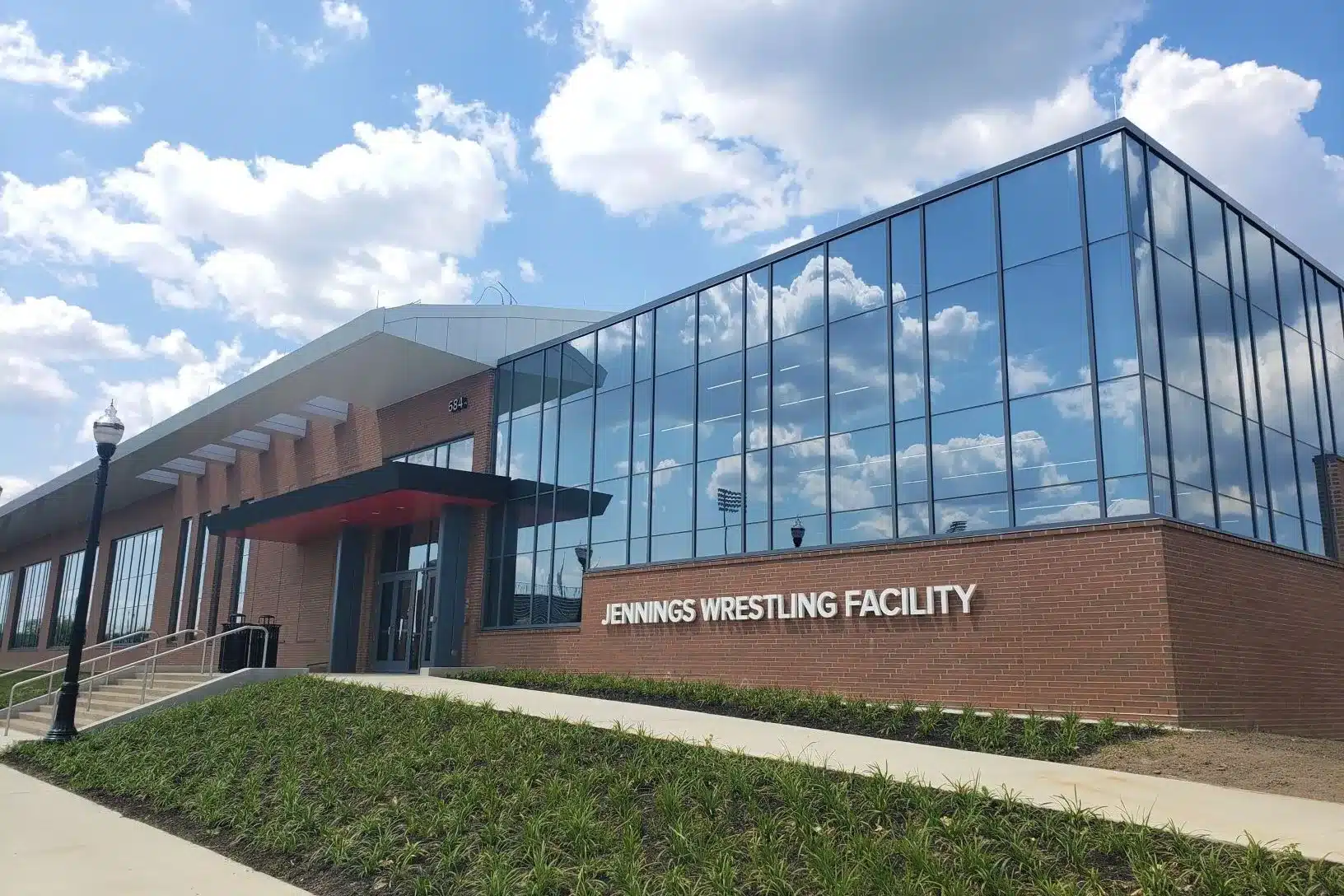
University of Missouri-Kansas City, one of four campuses in the UM System and a major presence in the Brookside and Volker neighborhoods of midtown Kansas City, manages a campus with an eclectic building inventory that spans Tudor Gothic revival structures from the university's 1930s founding era to contemporary glass and steel research and health sciences facilities that reflect UMKC's growth as an urban research institution. As a University of Missouri System campus, UMKC operates under UM System capital project policies, Missouri public university procurement requirements, and the oversight of the UM Board of Curators for capital expenditures above defined thresholds. Commercial roofing at UMKC is shaped by the complexity of preserving a historic residential neighborhood campus while expanding to meet the demands of a growing health sciences and research enterprise.
Semester scheduling at UMKC reflects the institution's urban commuter and professional student base. The health sciences schools — medicine, dentistry, pharmacy, and nursing — operate on clinical schedules that are largely independent of the academic semester calendar. Law and business graduate programs run year-round with evening and weekend enrollment. Undergraduate programs follow a traditional semester calendar, but many campus buildings serve multiple programs with different scheduling profiles. The facilities team must negotiate access windows building by building, and some UMKC buildings have no meaningful vacancy period during any part of the year.
Missouri public university procurement requirements apply to UMKC capital projects. The UM System's Standard Purchasing Policy and the Missouri Competitive Bidding Act establish the procurement framework, which includes competitive solicitation for projects above the bidding threshold, public advertisement, and Board of Curators approval for contracts above defined amounts. Missouri prevailing wage requirements under the Missouri Prevailing Wage Law apply to publicly funded construction projects, and the wage rates published by the Missouri Department of Labor and Industrial Relations for Jackson County must be incorporated into contractor bid pricing. Certified payroll records are required throughout the project.
Historic buildings at UMKC include Swinney Gymnasium, the original campus administration building, and several Tudor Gothic structures from the founding era that are listed on or eligible for the National Register of Historic Places. Any roofing work on these buildings requires consultation with the Missouri State Historic Preservation Office under Section 106 of the National Historic Preservation Act. The contractor must be prepared to use historically compatible materials — including clay tile, slate, or appropriate modern equivalents — and to maintain the original roof forms and ridge details that contribute to the buildings' National Register character. Gothic Revival institutional architecture in Kansas City presents specific detailing challenges at turrets, dormers, and valley intersections that require experienced craftspeople rather than standard flat-roof commercial crews.
LEED certification at UMKC is expected for significant capital projects, consistent with the UM System's sustainability commitments and the Kansas City metro area's growing emphasis on green building. The university's sustainability office tracks building performance metrics, and roofing projects contribute to LEED through energy performance, storm water management, and material sustainability. Kansas City's combined sewer system challenges make storm water management a particularly relevant LEED contribution for UMKC roofing projects, because any reduction in rooftop runoff during storm events directly supports the regional goal of reducing combined sewer overflows.
Complex procurement at UMKC includes the UM System's specific requirements for contractor insurance limits, indemnification terms, and warranty provisions that differ from Missouri private sector commercial construction. The UM System requires contractors to maintain specific general liability, automobile liability, and workers' compensation limits, and the standard UM contract includes an indemnification clause that some smaller contractors find challenging from a risk management perspective. Contractors should review the UM standard contract terms before pursuing UMKC roofing work to confirm that their insurance and indemnification capacity meets UM System requirements.
The Volker neighborhood campus location creates specific construction logistics constraints for UMKC roofing projects. Street parking and residential traffic in the surrounding neighborhood limits the staging area and access routes available for large roofing crews and material deliveries. Equipment and material delivery must be coordinated to avoid conflicts with residential morning and evening traffic patterns, and construction fencing must maintain pedestrian access on public sidewalks adjacent to campus buildings throughout the project. The UMKC facilities team has detailed requirements for site management in the urban residential setting that must be reviewed and incorporated into the contractor's project execution plan.
Kansas City's climate presents the full range of Midwest seasonal challenges for UMKC roofing projects. Cold winters with significant freeze-thaw cycling stress membrane seams and flashing joints on the historic buildings where materials are less flexible than modern thermoplastic systems. Hot, humid summers can affect adhesive cure times and worker productivity. Spring and fall offer the most favorable working conditions, and most UMKC facilities managers prefer to schedule major re-roof projects in the spring or early fall to capture good working conditions while minimizing semester-year disruption.
UMKC benefits from commercial roofing contractors who combine genuine institutional experience with the specific craft capabilities required for historic building maintenance. A contractor who can perform both modern flat-roof membrane replacement on UMKC's health sciences buildings and historically compatible steep-slope work on the Tudor Gothic buildings in the same contract organization is unusually valuable to a university facilities team managing a diverse building portfolio.
- What Missouri prevailing wage requirements apply to UMKC roofing contracts?
- The Missouri Prevailing Wage Law requires that publicly funded construction projects pay the wage rates published by the Missouri Department of Labor for Jackson County. These rates must be incorporated into contractor bid pricing, and certified payroll records must be maintained and available throughout the project duration.
- What historic preservation requirements apply to roofing work on UMKC's Tudor Gothic buildings?
- Section 106 consultation with the Missouri SHPO is required for buildings listed or eligible for the National Register. The contractor must use historically compatible materials maintaining original roof forms, ridge details, and material character. Gothic Revival detailing at turrets, dormers, and valley intersections requires experienced steep-slope craftspeople rather than standard commercial flat-roof crews.
- How do combined sewer overflow concerns make storm water management an especially relevant LEED contribution at UMKC?
- Kansas City's combined sewer system means that reducing rooftop runoff during storm events directly supports the regional goal of reducing combined sewer overflows. Green roof elements or high-performance drainage management on UMKC buildings contribute to a city-level environmental priority in addition to building-level LEED credits.
- What UM System contract requirements should contractors review before pursuing UMKC work?
- The UM standard contract includes specific insurance limits, automobile liability requirements, workers' compensation provisions, and indemnification terms that differ from private sector commercial contracts. Contractors should confirm their insurance and indemnification capacity meets UM System requirements before submitting a pre-qualification application.
- How should construction logistics be managed at UMKC's Volker neighborhood campus?
- Deliveries and equipment moves must be scheduled to avoid conflicts with residential morning and evening traffic patterns. Construction fencing must maintain public sidewalk access throughout the project, and staging areas must be within the campus footprint rather than on residential streets. The UMKC facilities team has detailed site management requirements for the urban residential setting that must be incorporated into the project execution plan.
Ready to talk through a roof?
Tell us about the building and the roof problem. We'll document it and put a plan in writing — with an honest repair-vs-replace recommendation and no upsell pressure.
Get a Roof Assessment →